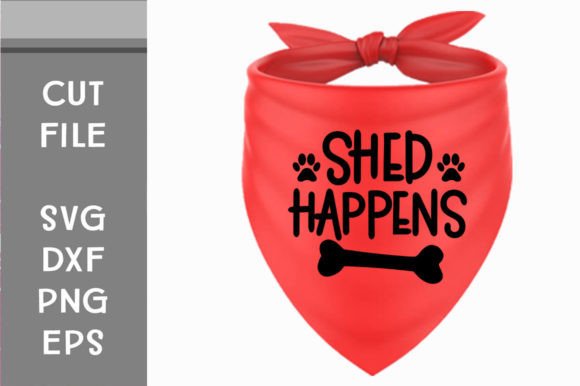
Shed Happens Svg Cut File
As an embroidery designer and product reviewer, I’ve evaluated countless digital files for real-world use. Shed Happens Svg Cut File is one that caught my attention for its unique theme and potential in various projects. Before jumping into using it on a custom order or adding it to my design library, I wanted to test it thoroughly and share my findings with fellow creators who value practical insight over marketing fluff.
First Impressions: A Design That Speaks Volumes
The first thing I noticed about Shed Happens Svg Cut File is its whimsical yet sophisticated vibe. The design features a stylized shed with a roof, windows, and a door—perfect for a rustic or cozy aesthetic. It’s clean, modern, and has just the right amount of detail without being overly complicated. The layout feels balanced, making it ideal for a variety of applications, from baby clothes to personalized gifts.
Its visual personality leans toward playful and nostalgic, which makes it suitable for themes like country living, gardening, or even a quirky birthday gift for someone who loves the idea of a cozy retreat. The shape is straightforward, so it should work well on flat surfaces like tote bags, aprons, or pillow covers.
Real-World Embroidery Performance
I tested Shed Happens Svg Cut File on several fabrics and found it to be versatile but not without limitations. On cotton, denim, and light-weight knits, it stitched out cleanly, especially when using a moderate stitch density. However, I noticed that on thin or stretchy materials, the design could appear slightly distorted if not stabilized properly.
For custom apparel, such as a sweatshirt or t-shirt, the file works well as a standalone design. It also pairs nicely with other elements, like text or borders, to create a more complete look. When used on a tote bag, the shed design added a charming touch that would appeal to customers looking for handmade or personalized items.
On baby clothes, the design was subtle enough to be appropriate for nurseries or gender-neutral outfits. It also worked well as an embroidered patch, where the simplicity of the design made it easy to sew onto jackets or backpacks.
Where to Use With Caution
While Shed Happens Svg Cut File is generally reliable, there are a few situations where extra care is needed. For instance, on small hoop sizes, the design may require re-hooping or adjusting the placement to ensure all elements are stitched correctly. On textured or dark fabrics, the contrast might not be as visible, so testing with different thread colors is essential.
If you're planning to embroider this on a curved surface like a cap or hat, the design might need some tweaking to fit the curve. Similarly, on layered garments or items with multiple fabric layers, the design could get lost if not properly stabilized. Tiny details, like the window panes or door handle, may not hold up well on very dense stitch areas, so keeping the stitch density moderate is key.
Impact on Visual Appeal and Customer Perception
Shed Happens Svg Cut File adds a distinctive element to any project. Its clean lines and recognizable shape make it instantly appealing, especially for those who appreciate a rustic or countryside theme. When stitched onto a handmade product, it can elevate the overall look and make the item feel more thoughtful and personal.
From a commercial standpoint, this design has strong potential for Etsy sellers or small shop owners. It’s versatile enough to be used on a range of products, from holiday gifts to boutique merchandise. The design also lends itself well to printable mockups, allowing creators to showcase it in different contexts before committing to production.
For customers, a design like this can enhance the perceived value of a product. It signals craftsmanship and attention to detail, which can increase trust and encourage repeat purchases. Whether it's a personalized gift or a branded item, the design contributes to a professional and cohesive brand image.
Embroidery Designer Notes: Practical Tips for Success
Before using Shed Happens Svg Cut File on a client project or your own creations, here are a few practical steps to consider:
- Test on scrap fabric: Always check how the design looks on the actual material you plan to use. This helps identify any issues with stitch density or fabric compatibility.
- Check thread color contrast: Make sure the chosen thread color complements the fabric and enhances the design’s visibility.
- Review stitch density: Adjust the density based on the fabric type to avoid puckering or distortion.
- Confirm hoop size: Ensure the design fits within your machine’s hoop dimensions, especially if you’re working with larger files.
- Inspect small details: Pay close attention to intricate parts of the design, like the roof shingles or door frame, to ensure they come out clearly.
- Test in black and white mockups: This helps visualize how the design will look on different backgrounds and under various lighting conditions.
- Compare light and dark fabric backgrounds: Some designs may not show up as well on dark fabrics, so testing is crucial.
- Use proper stabilizer: Stabilizer prevents the fabric from shifting during stitching, especially on delicate or stretchy materials.
- Verify licensing: If you plan to sell finished items or digital products, confirm the usage rights to avoid legal issues.
Final Thoughts: A Useful Addition to Your Design Library
Shed Happens Svg Cut File is a solid choice for designers looking for a simple, stylish, and versatile design. It works well across a range of mediums and can be adapted for both personal and commercial use. While it’s not perfect for every situation, its strengths in clarity, visual appeal, and adaptability make it a valuable asset for crafters, Etsy sellers, and small business owners.
Whether you're creating a custom embroidered tote bag, a baby onesie, or a holiday gift, this design has the potential to add a unique and memorable touch. As with any embroidery file, careful testing and thoughtful application are key to ensuring the final product meets your standards and your clients’ expectations.